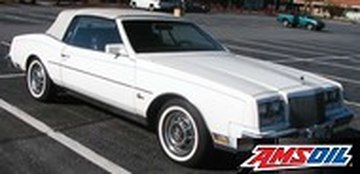
Engine Lubrication Care for the 1982 Buick RIVIERA 5.0L
Maintaining the mechanical integrity of a classic vehicle requires a disciplined approach to fluid management and routine inspections. For the 1982 Buick RIVIERA equipped with the 5.0L engine, consistent attention to lubrication is a fundamental aspect of long-term ownership. While modern vehicles often rely on automated monitoring systems, older engines benefit significantly from proactive owner observation and scheduled service intervals.
Monitoring Fluid Integrity and Condition
One of the most effective ways to monitor the health of the 5.0L engine is through regular observation of the lubricant itself. The condition of the oil can provide important clues regarding the internal environment of the engine. When performing routine checks, it is useful to look for changes in the color or consistency of the fluid.
If the oil appears excessively dark or contains visible particulate matter, it may indicate that the lubricant has reached the end of its effective service life or that the filtration system requires attention. Furthermore, any unusual odor emanating from the crankcase area should be investigated, as certain scents can be associated with changes in fluid chemistry or external contamination. If you notice a significant change in how the engine behaves shortly after a service interval, such as new noises or changes in smoothness, it warrants a thorough inspection to ensure the correct products were utilized.
Observing Potential Warning Signs
Identifying issues before they escalate into mechanical failures is a hallmark of attentive maintenance. For this Buick RIVIERA, several indicators can suggest that the lubrication system requires closer scrutiny. While symptoms can have many different causes, certain signs are worth investigating immediately:
- Visible Seepage: Inspecting the area around the engine for any evidence of fluid leakage is essential. Even small amounts of seepage on gaskets or seals should be monitored to prevent larger issues later.
- Unusual Consumption: If you find that the oil level is dropping more frequently than expected between service intervals, this may indicate an issue with how the engine is managing its lubricant.
- Warning Indicators: Any illumination of dashboard warning lights related to engine operation should be treated as a priority for diagnostic investigation.
- Exhaust Observations: Changes in the color or clarity of exhaust gases can sometimes be linked to the way the engine is processing oil, though this should always be evaluated alongside other mechanical symptoms.
It is important to remember that these signs are not definitive diagnoses of a specific failed component; rather, they serve as prompts to perform a more detailed inspection.
Prioritizing Maintenance Based on Current Condition
As vehicles age, the strategy for maintenance often shifts from strictly following a calendar to assessing the actual condition of the components. For an owner of a 1982 RIVIERA, this means prioritizing tasks based on what the vehicle currently requires. If you are stepping into ownership without a complete service history, establishing a baseline is a logical first step.
This process involves reviewing any available repair records and then performing a comprehensive inspection of all vital systems. Rather than replacing parts simply because they are old, focus on addressing active leaks, visible wear, or signs of previous neglect. For example, inspecting the condition of accessible belts (if equipped) for cracking or glazing, and checking the integrity of various hoses, can help you distinguish between necessary preventive maintenance and unnecessary part replacement. By focusing on the actual state of the engine and its supporting systems, you can manage maintenance costs effectively while ensuring the vehicle remains reliable.
Managing Aging Components and Seals
Over time, the materials used in an engine's construction—such as various gaskets and seals—can undergo changes due to heat cycles and age. For a 1982 model, it is prudent to perform regular visual inspections of these sealing surfaces. Rather than assuming a specific seal has failed, look for signs of age-related seepage or dampness around the engine block and accessory mounting points.
In addition to seals, other aging components should be monitored. If the vehicle is equipped with an electrical system that shows signs of corrosion, cleaning connections can prevent intermittent issues. Similarly, ensuring that the air filtration system is clean and free of debris helps maintain optimal combustion conditions. This condition-based approach ensures that you are addressing the specific needs of your 5.0L engine as it evolves through years of service.
The Role of Clean Lubrication in Engine Longevity
The lubricant within the 5.0L engine performs several vital roles that extend far beyond simple lubrication. It is responsible for managing heat by absorbing and transporting thermal energy away from critical internal areas. Furthermore, high-quality oil contains additives designed to manage contaminants and prevent the buildup of deposits or sludge that can accumulate over time.
Maintaining clean, fresh oil helps ensure that the engine operates with minimal friction. This is particularly important during cold starts, where the lubricant must be able to flow effectively to provide immediate protection. By adhering to a consistent maintenance routine and using appropriate products, you help protect the internal components from the stresses of thermal expansion and mechanical wear.
Practical Guidance for Buying Engine Oil for your 1982 Buick RIVIERA 5.0L
When it is time to replenish or change the lubricant in your vehicle, accuracy in selection is paramount. To ensure the best possible protection for your engine, you should match the oil to the specific application information and viscosity requirements already displayed on this webpage.
Before making a purchase, consider the following practical steps:
- Verify Application Data: Always cross-reference the product you are purchasing with the vehicle-specific viscosity and specifications listed in the technical data above.
- Check Product Labeling: Ensure the oil container clearly states its API certification and any other relevant performance standards.
- Evaluate Formulations: Depending on your specific needs, you may choose between conventional, synthetic blend, or full synthetic oils. Some high-mileage formulations also include seal-conditioning additives which may be beneficial for aging engines.
- Avoid Assumptions: Do not rely on general automotive knowledge or the age of the vehicle to select a grade; always defer to the specific information provided for this 1982 Buick RIVIERA 5.0L.